Best Five-Star Suites in the US: The Definitive Guide
Evaluating the pinnacle of domestic hospitality demands an analytical approach that transcends glossy promotional materials and public marketing metrics. The highest echelon of domestic lodging properties—spanning urban flagships, historic coastal estates, and isolated mountain sanctuaries—represents a complex synthesis of architectural design, proprietary security architecture, and hyper-personalized service frameworks.
Discerning travelers, corporate principals, and family office directors must look beyond standard star ratings to understand what truly defines premier luxury accommodation. The physical and operational realities of maintaining top-tier multi-room penthouses involve intricate logistical supply chains, bespoke architectural engineering, and deeply guarded service protocols that separate legendary properties from standard luxury flagships.
Analyzing the highest-tier hospitality assets requires an exploration of historical evolution, structural variations, and risk management profiles. By dissecting the underlying mechanics of premier lodging environments, stakeholders can navigate the upper tiers of American hospitality with absolute clarity and intellectual precision.
Understanding “best five-star suites in the us”
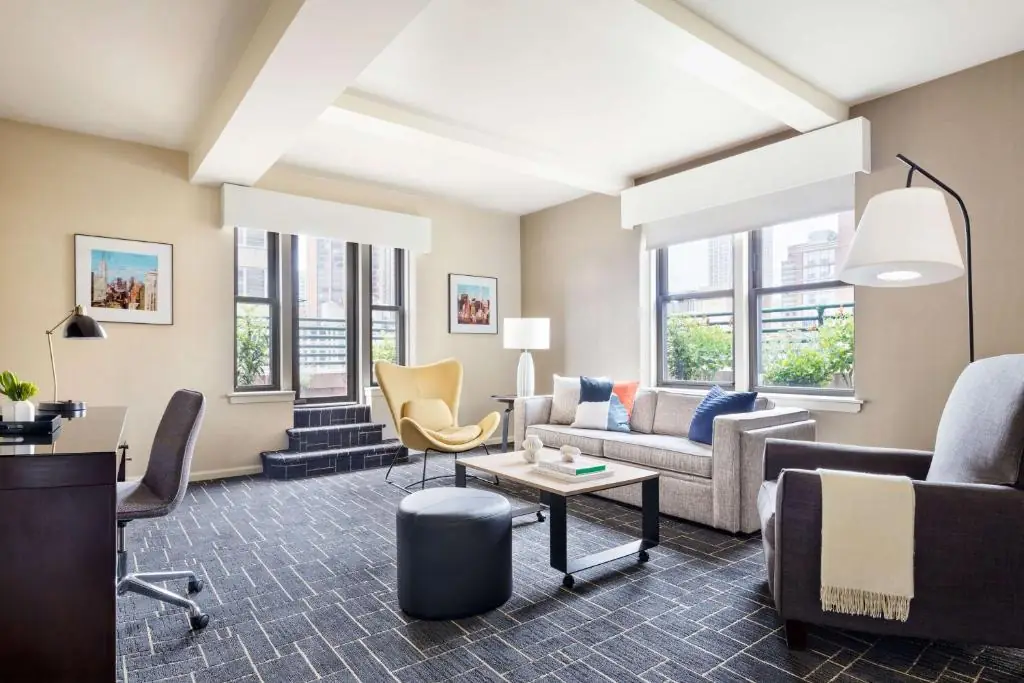
The analytical discipline required to evaluate the best five-star suites in the us encompasses the structural, service-oriented, and architectural criteria that elevate a property above conventional luxury standards. Unlike standard rooms, top-tier suites—such as Manhattan penthouses, Pacific coastal villas, and historic urban townhouses—operate as self-contained micro-ecosystems designed to provide absolute privacy, custom security staging, and dedicated round-the-clock staffing.
Common misunderstandings center on the assumption that premier status is permanently conferred by global rating agencies or historic prestige. In reality, physical wear, changes in property management groups, and shifting neighborhood demographics can rapidly alter a suite’s actual operational quality. Furthermore, buyers frequently confuse sheer square footage with true spatial utility, ignoring poor interior layouts or inadequate acoustic isolation.
Oversimplification risks emerge when evaluators rely strictly on public awards or digital imagery to judge top-tier inventory. High-end hospitality assets require deep contextual scrutiny regarding private elevator access, encrypted network infrastructure, and the discretion of dedicated butler teams. True appreciation of these properties demands a multi-dimensional evaluation of both hardware and software elements.
Deep Contextual Background
The evolution of ultra-luxury lodging assets within the United States reflects a century-long transition from European-style aristocratic grand hotels to modern bastions of high-tech privacy and bespoke design. During the early twentieth century, premier American hotels modeled their flagship suites after European palaces, emphasizing heavy masonry, imported textiles, and permanent residential occupancy by industrial magnates.
As commercial aviation and global finance expanded during the post-war decades, domestic luxury architecture shifted toward sleek, high-rise urban towers and sprawling sun-belt resort compounds. Properties began integrating advanced mechanical systems, secure private entrances for dignitaries, and customizable structural layouts capable of accommodating shifting entourages, security details, and private culinary teams.
The contemporary era represents an intersection of hyper-modern smart-home integration, biophilic architecture, and absolute physical discretion. Modern flagship suites are engineered to serve as secure remote offices, diplomatic staging grounds, and private wellness sanctuaries. This systemic shift ensures that premier domestic properties continually redefine the boundaries of spatial opulence and operational capability.
Conceptual Frameworks and Mental Models
Assessing the elite tiers of domestic lodging requires structured analytical frameworks that weigh multiple competing operational variables.
The Architectural-Privacy Gradient Model
This framework maps a suite’s physical layout from public entry points to private quarters, ensuring adequate separation for security details and high-profile guests.
The Service-Ratio Efficiency Index
This analytical lens evaluates the ratio of dedicated staff—including butlers, private chefs, and valets—to registered suite occupants during peak operating hours.
The Spatial-Utility Matrix
This model weighs raw square footage against functional usability, assessing the integration of dining rooms, media spaces, and outdoor terraces.
The Asset-Resilience Continuum
This framework tracks how well a property maintains physical finishes, technological infrastructure, and service standards across changing seasonal cycles.
Key Categories or Variations
The landscape of premier lodging inventory across the United States encompasses several distinct architectural and geographical categories, each presenting unique experiential trade-offs.
The Urban Manhattan Penthouse Sanctuary
Soaring above commercial metropolitan centers, these suites feature floor-to-ceiling glass, private elevator banks, and panoramic skyline views. It offers immediate proximity to financial hubs, offset by urban ambient noise exposure.
The Coastal Pacific Cliffside Villa
Perched along dramatic California or Hawaiian coastlines, these multi-room compounds emphasize indoor-outdoor living, private plunge pools, and uninterrupted ocean panoramas. It provides unmatched natural serenity, offset by weather vulnerability.
The Historic New England Harbor Estate
Centered in heritage maritime cities, these suites blend centuries-old architectural masonry with modern maritime-inspired interior styling and private docking access. It delivers profound cultural resonance, offset by historic spatial constraints.
The Alpine Mountain Wellness Chalet
Located in high-altitude western resort enclaves, these timber-and-stone sanctuaries feature ski-in/ski-out access, oxygen-enriched bedrooms, and private spa facilities. It ensures supreme winter seclusion, offset by seasonal demand compression.
The Sun-Belt Desert Oasis Compound
Sprawling across arid southwestern landscapes, these secluded villas offer private courtyards, subterranean wellness spas, and indigenous culinary staging kitchens. It guarantees ultimate privacy, offset by extreme thermal management challenges.
The Southern Heritage Grand Suite
Embedded within restored southern landmark properties, these expansive accommodations showcase classic architectural millwork, wraparound verandahs, and traditional butler service. It presents deep regional charm, offset by traditional structural layouts.
Flagship Suite Category Comparison Matrix
| Suite Category | Primary Architectural Focus | Core Experiential Advantage | Primary Operational Trade-Off |
| Urban Manhattan Penthouse | High-rise vertical isolation | Skyline dominance; rapid transit access | Ambient urban noise and light spill |
| Coastal Pacific Villa | Indoor-outdoor ocean integration | Natural serenity and horizon views | Marine layer humidity and weather risk |
| Historic New England Harbor | Maritime heritage preservation | Waterfront immersion and private docks | Historic structural floor plan limits |
| Alpine Mountain Chalet | High-altitude timber luxury | Direct slopeside access and oxygen control | Extreme seasonal demand volatility |
| Desert Oasis Compound | Arid seclusion and courtyards | Ultimate physical privacy and space | Severe local thermal management needs |
| Southern Heritage Grand | Antebellum or Victorian millwork | Classic elegance and deep verandahs | Traditional multi-room separation limits |
Realistic Decision Logic
Selecting the appropriate premier suite requires aligning the traveler’s immediate objective with the property’s micro-climate and operational environment. Specifically, if a principal requires an urban base for high-frequency corporate meetings, coastal villas and alpine chalets must be disqualified in favor of vertical metropolitan penthouses with secure transport staging. Conversely, for an extended family sabbatical focused on total seclusion, urban high-rises must be bypassed in favor of remote desert compounds or coastal cliffside villas. Planners must evaluate assets using a strict situational exclusion matrix before confirming reservations.
Detailed Real-World Scenarios
The Diplomatic Urban Staging Operation
A foreign ministerial delegation visiting an east coast financial capital required a secure multi-room suite capable of hosting confidential briefings. By selecting a flagship harbor penthouse featuring a private elevator entrance, dedicated security staging areas, and robust acoustic isolation, the delegation conducted its affairs without external exposure or disruption to regular hotel patrons.
The Coastal Executive Wellness Residency
An enterprise technology founder seeking an extended period of strategic deep work utilized a Pacific coastal cliffside villa. The suite’s integrated Crestron smart-home automation, dedicated private chef service, and soundproofed media sanctuary allowed the principal to execute complex corporate directives while maintaining rigorous personal health routines.
The Alpine Family Office Board Retreat
A private equity leadership team orchestrated an annual strategic retreat at a high-altitude western mountain resort. The selected chalet suite provided private conference facilities, ski-in/ski-out coordination, and localized oxygen-enrichment systems, ensuring peak cognitive performance during high-intensity board sessions despite the elevated altitude.
The Historic Heritage Cultural Sabbatical
A family office director managing an extended cultural residency chose a landmark New England harbor suite. The property’s private terrace, historical millwork restoration, and direct access to maritime transit provided an ideal balance of historic authenticity and modern high-end comfort.
Planning, Cost, and Resource Dynamics
The financial architecture of securing premier domestic suites involves complex direct and indirect trade-offs. Direct nightly tariffs for top-tier properties routinely exceed standard luxury rates by an order of magnitude, driven by expansive square footage, dedicated staffing requirements, and specialized security integration.
Opportunity costs manifest clearly in booking lead times and spatial availability. Because top-tier inventory is severely restricted—often limited to a single presidential suite or penthouse per property—securing peak seasonal dates requires multi-month advance coordination and substantial financial deposits.
| Expense Category | Typical Variance Range | Primary Cost Drivers | Mitigation Strategy |
| Base Suite Tariffs | $5,000 to $35,000+ per night | Square footage; exclusive views | Leverage off-peak shoulder transitions |
| Mandatory Security Staging | $1,000 to $5,000+ per day | Perimeter sweeps; private details | Bundle security access into master contracts |
| Ancillary Service Surcharges | 20% to 40% of folio base | Private butler overtime; chef fees | Establish pre-approved operational caps |
| Cancellation Forfeiture | 50% to 100% of contract | Strict attrition windows; demand spikes | Secure bespoke force majeure riders |
Tools, Strategies, and Support Systems
Evaluating and securing the highest tier of domestic lodging requires specialized digital tools and professional support networks.
-
Private-Client Travel Consortia Portals: Utilizing invitation-only booking networks that grant priority access to unlisted penthouse inventory and guaranteed upgrades.
-
Direct General Manager Communication Channels: Maintaining encrypted messaging lines with property executives to secure custom staging and service adjustments.
-
Global Security Intelligence Feeds: Employing real-time risk monitoring software to evaluate regional stability and paparazzi presence around target properties.
-
Smart-Room Integration Apps: Utilizing proprietary property applications to pre-program lighting, climate, and media environments prior to arrival.
-
Encrypted Document Management Vaults: Staging non-disclosure agreements, dietary manifests, and security protocols for rapid deployment.
-
Post-Stay Forensic Auditing Systems: Cross-referencing daily folio charges against contracted master rates to ensure absolute billing accuracy.
Risk Landscape and Failure Modes
Reserving and occupying elite domestic inventory exposes travelers to compounding operational risk cascades. The primary vulnerability lies in service dilution during peak seasonal demand spikes. When a property operates at maximum capacity, localized management teams can occasionally stretch butler and culinary resources thin, degrading the hyper-personalized attention expected at the highest price tier.
Another critical risk category involves physical security and privacy breaches. Penthouses with expansive glass facades or shared outdoor terraces require rigorous curtain management and electronic surveillance sweeps to prevent unauthorized long-lens photography or acoustic interception.
Governance, Maintenance, and Long-Term Adaptation
Maintaining an authoritative understanding of premier domestic hospitality assets requires continuous market surveillance and structured review cadences. As properties undergo periodic multi-million-dollar renovations, their actual suite configurations and service leadership change frequently.
-
Adjustment Triggers: Define explicit qualitative signals—such as a change in property ownership or a drop in guest satisfaction indices—that automatically remove a hotel from preferred portfolio lists.
-
Annual Property Audits: Conduct comprehensive physical and operational reviews of key domestic flagships to verify ongoing adherence to ultra-luxury standards.
-
Layered Compliance Checklists: Maintain internal databases tracking the evolving security and technological capabilities of target suites across major metropolitan markets.
Measurement, Tracking, and Evaluation
Assessing the true quality and standing of elite hospitality inventory requires balancing quantitative metrics with qualitative experiential evaluations. Relying exclusively on marketing accolades hides subtle operational declines.
-
Leading Indicators: Monitor general manager responsiveness velocity and private-client agency feedback regarding property maintenance standards.
-
Lagging Indicators: Analyze repeat booking frequencies, billing accuracy percentages, and total unmitigated service complaints.
-
Qualitative Signals: Evaluate executive feedback concerning absolute privacy assurance, acoustic comfort, and the seamlessness of dedicated butler execution.
Common Misconceptions and Oversimplifications
-
Myth: The most expensive suite in a city automatically delivers the highest quality service and privacy.
-
Correction: High pricing occasionally reflects real estate valuation or historic branding rather than superior staffing or modern acoustic design.
-
-
Myth: Domestic luxury hotels maintain uniform service standards across all their national properties.
-
Correction: Service execution varies dramatically based on local management culture, property ownership structures, and staff retention rates.
-
-
Myth: Booking a presidential suite guarantees immunity from external noise and environmental disruptions.
-
Correction: Urban penthouses can still suffer from low-frequency structural vibrations or nearby infrastructure construction.
-
-
Myth: Standard hotel loyalty programs provide reliable access to top-tier flagship penthouses through point redemptions.
-
Correction: Flagship inventory is almost universally excluded from standard point redemption algorithms and requires direct cash or bespoke contracting.
-
-
Myth: All five-star suites come equipped with secure, encrypted in-room Wi-Fi networks by default.
-
Correction: Advanced digital security and isolated VLAN setups require explicit pre-arrival configuration by hotel IT teams.
-
Ethical, Practical, or Contextual Considerations
Evaluating and occupying ultra-luxury domestic properties carries significant responsibilities regarding labor equity and environmental sustainability. The immense energy footprint and intensive staffing models required to maintain multi-room penthouses place substantial demands on local ecosystems and municipal resources.
Discerning buyers and corporate planners must prioritize properties that demonstrate verifiable commitments to sustainable building operations, energy efficiency, and equitable wage practices for frontline hospitality personnel. Supporting luxury assets that balance uncompromising personal comfort with genuine environmental and social stewardship ensures that elite travel fosters responsible industry advancement.
Conclusion
Mastering the evaluation of elite domestic hospitality assets requires intellectual rigor, deep contextual knowledge, and a commitment to looking past surface-level marketing. While top-tier suites demand extraordinary financial investment, understanding the intricate interplay of architecture, security, and service engineering transforms the selection process into a highly strategic endeavor. By balancing rigorous due diligence with an appreciation for genuine operational excellence, stakeholders can successfully navigate the upper echelons of American hospitality.