Best Five-Star Suites for Honeymoons: The Definitive Guide
The transition from wedding preparation to post-nuptial travel marks a significant psychological pivot for couples, demanding environments optimized for deep decompression and shared spatial intimacy. Modern luxury travel planning has evolved far beyond superficial romantic aesthetics, moving away from generic rose-petal displays toward highly tailored architectural and experiential sanctuaries. Discerning couples increasingly reject standard resort configurations in favor of premier multi-room accommodations that balance absolute privacy with bespoke personal service.
Identifying the best five-star suites for honeymoons requires a rigorous analytical approach. Couples and private planners must evaluate structural integrity, environmental microclimates, acoustic isolation, and dedicated butler operations rather than relying solely on promotional imagery. Premier honeymoon suites function as temporary residences where spatial programming directly influences emotional connection and restorative relaxation after months of intense social pressure.
Simultaneously, navigating this specialized segment involves complex logistical and financial planning. High-end inventory is subject to strict seasonal availability, intricate cancellation policies, and variable service integration. A thorough exploration of architectural variations, historical development, and risk management frameworks ensures that post-nuptial journeys achieve their intended balance of seclusion, romance, and seamless operational execution.
Understanding “best five-star suites for honeymoons”

The market taxonomy of the best five-star suites for honeymoons encompasses premier multi-room accommodations located within historic European palazzos, secluded cliffside tropical pavilions, and urban design flagships. These specialized spaces typically span 1,500 to over 5,000 square feet, featuring private plunge pools, expansive terrace living zones, dedicated wellness chambers, and discrete service entryways. Unlike standard hotel rooms, honeymoon-optimized suites prioritize architectural intimacy, seamless indoor-outdoor flow, and absolute acoustic privacy.
Common misunderstandings center on the assumption that exorbitant nightly tariffs inherently guarantee a tranquil, romantic environment. Stakeholders frequently prioritize aesthetic ornamentation over functional layout, ignoring critical metrics like spatial circulation and acoustic dampening coefficients. For instance, a grand penthouse with cavernous unarticulated ceilings and hard marble surfaces can amplify ambient city noise, inducing cognitive fatigue rather than relaxation. Furthermore, couples often underestimate the operational friction caused by poorly positioned service entries that disrupt intimate moments.
Oversimplification risks are equally prevalent when evaluating climate control, lighting automation, and security integration. Elite suites require sophisticated environmental engineering, including independent HVAC zoning and circadian lighting arrays, to ensure optimal comfort. Treating honeymoon suite selection purely as a decorative exercise obscures the rigorous structural design required to maintain absolute seclusion and environmental harmony.
Deep Contextual Background
The evolution of romantic travel accommodations reflects centuries of transformation in residential architecture, elite mobility, and cultural attitudes toward leisure. Throughout the grand tour era of the eighteenth and nineteenth centuries, aristocratic couples journeyed across Europe, staying for months in private estate wings and historic châteaux. These prolonged stays relied on personalized domestic staffing and rigid spatial hierarchies separating public salons from private chambers.
As commercial aviation expanded during the mid-twentieth century, honeymoon travel democratized, shifting toward standardized resort enclaves. Properties introduced specialized honeymoon suites featuring exaggerated tropical motifs and mirrored headboards, prioritizing novelty over architectural substance. However, these mass-market iterations largely ignored the deeper psychological needs of privacy and holistic decompression.
The contemporary era represents a sophisticated return to bespoke residential design and biophilic integration. Modern architectural planning leverages advanced computational modeling to optimize natural sightlines, frame secluded coastal or mountain vistas, and integrate wellness hydrotherapy directly into private suites. This evolution ensures that post-nuptial spaces act as restorative cocoons tailored to modern psychological and physical recovery.
Conceptual Frameworks and Mental Models
Evaluating premier honeymoon inventory requires structured analytical frameworks extending far beyond aesthetic style and square footage.
The Intimacy-Isolation Gradient
This model maps the spatial transition from public resort arrival zones to hyper-private terrace sanctuaries, ensuring that operational logistics never intersect with moments of couple seclusion.
The Acoustic and Thermal Microclimate Index
This index measures acoustic separation and temperature stability within outdoor plunge pool areas and open-air sleeping pavilions using structural buffering and natural airflow dynamics.
The Biophilic Sightline Continuum
This framework evaluates how architectural openings frame external natural elements—such as ocean horizons or mountain canopies—maximizing psychological grounding and stress reduction.
The Invisible Service Integration Model
This model assesses the spatial concealment of butler pantries and housekeeping staging areas, ensuring personalized service operates seamlessly without introducing cognitive friction.
Key Categories or Variations
The landscape of premier post-nuptial accommodations encompasses several distinct operational archetypes, each presenting unique structural trade-offs.
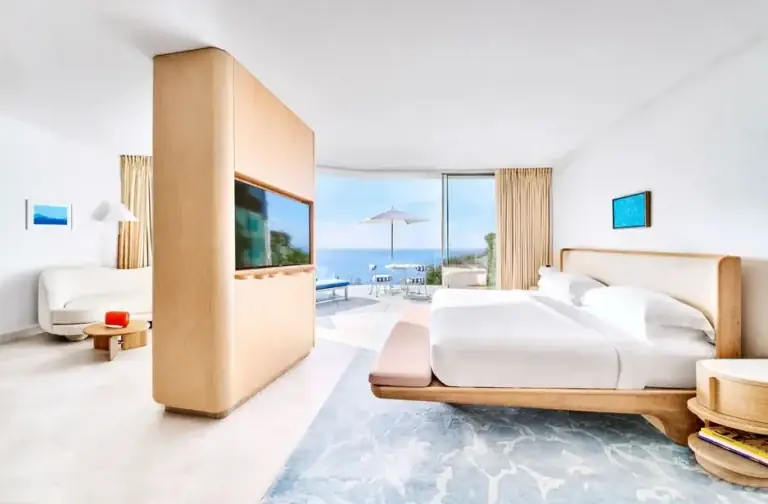
The Cliffside Pavilion with Plunge Pool
These cantilevered structures offer uninterrupted ocean sightlines and total visual isolation. They provide dramatic romantic impact, offset by exposure to coastal weather systems.
The Historic Palace Heritage Suite
Adapted within protected historic masonry, these spaces feature vaulted ceilings and antique frescoes. They deliver deep cultural immersion, offset by rigid plumbing limitations.
The Overwater Lagoon Villa
Built directly over calm tropical marine environments with glass floor viewing panels. They provide direct aquatic access, offset by high humidity and limited structural massing.
The Mountain Alpine Wellness Chalet
Engineered around thermal recovery, featuring private saunas, stone fireplaces, and cedar hot tubs. They cater to cold-weather recovery, alongside complex heating logistics.
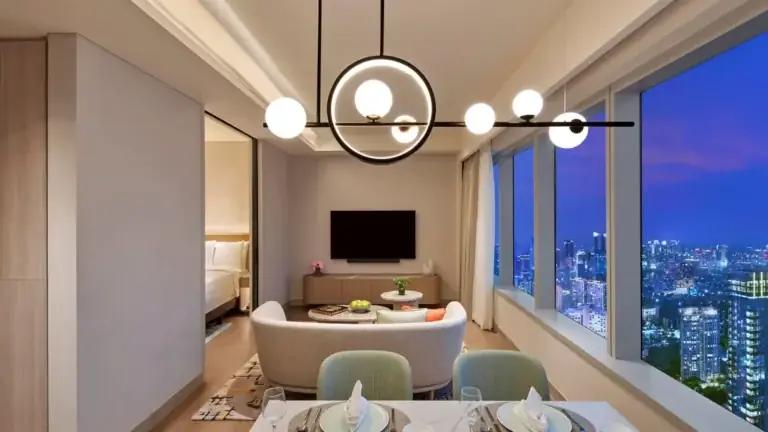
The Urban Design Penthouse Sanctuary
Occupying top-floor metropolitan tower radii with private wrap-around terraces. They offer vibrant city engagement, offset by potential ambient urban noise mitigation requirements.
The Desert Oasis Courtyard Estate
Low-density walled compounds featuring private gardens and temperature-controlled plunge pools. They prioritize extreme privacy, alongside intense arid climate management.
Honeymoon Suite Category Comparison Matrix
| Suite Category | Typical Scale & Footprint | Core Architectural Advantage | Primary Operational Constraint |
| Cliffside Pavilions | 1,800 to 4,000 sq ft | Uninterrupted panoramic vistas | High exposure to coastal gales |
| Historic Heritage Suites | 1,200 to 3,000 sq ft | Authentic cultural architecture | Rigid preservation masonry limits |
| Overwater Lagoon Villas | 1,500 to 3,500 sq ft | Direct marine and reef access | High humidity and weather vulnerability |
| Alpine Wellness Chalets | 2,000 to 5,000 sq ft | Thermal recovery and fireplaces | Complex alpine heating logistics |
| Urban Design Penthouses | 2,500 to 6,000 sq ft | Skyline views and terrace living | Urban acoustic mitigation demands |
| Desert Oasis Estates | 3,000 to 7,000 sq ft | Absolute compound seclusion | Severe arid climate management |
Realistic Decision Logic
Selecting the appropriate suite model requires aligning post-nuptial recovery goals with environmental realities. Specifically, if a couple seeks profound silence and thermal relaxation following an intense social wedding schedule, tropical party-centric beach resorts must be disqualified in favor of secluded alpine wellness chalets or desert courtyard estates. Conversely, for couples desiring marine exploration combined with high-end dining proximity, overwater lagoon villas or cliffside pavilions represent optimal configurations. Planners must evaluate properties using a strict exclusion matrix—testing acoustic ratings, wind shear factors, and butler-to-guest ratios—before executing bookings.
Detailed Real-World Scenarios
The Aegean Cliffside Pavilion Engagement
A newlywed couple reserved a cantilevered cliffside pavilion suite in the Cyclades featuring an infinity plunge pool. Initial evaluations during arrival revealed that unseasonal northern meltemi winds caused severe turbulence across the open-air dining terrace. The property resolved the discomfort by deploying automated glass wind baffles and reconfiguring the outdoor lounging layout, preserving the Aegean view without compromising thermal comfort.
The Historic Venetian Palazzo Honeymoon
A couple celebrated their nuptials within a restored fifteenth-century palazzo suite overlooking a quiet Venetian canal. Because historic preservation mandates prohibited core wall penetrations for modern ventilation ducts, the property utilized a sophisticated split-system climate unit concealed behind gilded architectural moldings, maintaining whisper-quiet temperature control without damaging heritage fabric.
The Overwater Lagoon Villa Retreat in the South Pacific
A newlywed couple booked an isolated overwater villa featuring glass floor viewing portals. During peak tidal shifts, slight wave action against the concrete support pylons generated low-frequency vibrational hums. The engineering team installed specialized elastomeric dampening mounts beneath the bed platform, instantly eliminating structural resonance and restoring absolute sleep silence.
The Alpine Wellness Chalet Sabbatical
A couple sought a post-wedding winter retreat in a Swiss alpine chalet suite featuring a private cedar sauna and hydrotherapy tub. Rapid temperature drops caused initial pressure imbalances in the private steam room’s exhaust intake. Property engineers recalibrated the heat-recovery ventilation system, ensuring seamless transitions between cold outdoor air and indoor thermal relaxation.
Planning, Cost, and Resource Dynamics
The financial architecture of securing premier honeymoon accommodations involves complex direct and indirect variables. Direct expenses encompass peak nightly tariffs, mandatory resort environmental fees, and specialized butler gratuities. However, indirect financial impacts—such as private aviation transfers, customized spa programming, and private dining buy-ins—frequently dictate the true economic outcome.
Opportunity costs manifest clearly in all-inclusive packaging versus bespoke a la carte arrangements. While all-inclusive luxury packages offer financial predictability, they frequently restrict culinary flexibility and private excursion timing. Conversely, unbundled luxury bookings allow complete schedule customization but introduce substantial administrative oversight and variable expense accumulation.
| Expense Category | Typical Variance Range | Primary Cost Drivers | Mitigation Strategy |
| Nightly Suite Tariffs | $2,500 to $20,000+ per night | Seasonality; geographic tier; view | Book shoulder-season transition windows |
| Private Butler Services | Included to $400+ per day | Dedicated 24/7 staffing; bespoke requests | Bundle service allocations into master contracts |
| Private Romantic Dining | $1,000 to $5,000+ per event | Dedicated chef staffing; rare provisioning | Pre-approve dietary and menu frameworks |
| Wellness & Spa Buy-Ins | $500 to $3,000+ per retreat | Specialized therapists; hydrotherapy | Secure multi-day wellness package rebates |
Tools, Strategies, and Support Systems
Managing post-nuptial travel and securing elite honeymoon inventory requires advanced digital tooling and rigorous administrative frameworks.
-
Dedicated Honeymoon Concierge Portals: Utilizing private-client travel platforms that interface directly with luxury hotel general managers to secure unlisted inventory.
-
Encrypted Preference Tracking Databases: Recording granular couple preferences—ranging from feather-free bedding to specific champagne vintages—across global portfolios.
-
Dynamic Itinerary Management Software: Employing centralized cloud tools to track multi-destination flights, ground transfers, and suite check-in milestones.
-
Secure Document Vaults: Managing passport copies, marriage certificates for complimentary upgrades, and visa clearances.
-
Post-Stay Forensic Auditing Systems: Cross-referencing master folios against contracted rates to eliminate billing discrepancies upon departure.
-
Direct General Manager Communication Channels: Maintaining priority messaging lines for immediate issue resolution during active stays.
Risk Landscape and Failure Modes
Reserving and occupying elite honeymoon suites exposes couples to compounding operational risk cascades. The primary vulnerability lies in service fragmentation and communication breakdowns between reservation desks and on-site butler teams. When a honeymoon booking lacks explicit notes regarding arrival milestones, romantic surprises can be mistimed, transforming a seamless celebration into an awkward administrative chore.
Another critical risk category involves environmental volatility and seasonal weather vulnerability. Premier suites featuring expansive outdoor glass panels or open-air pavilions are acutely sensitive to unseasonal storms or extreme heatwaves. If properties lack robust contingency protocols or alternative indoor social spaces, couples can find themselves confined to restricted quarters during critical portions of their trip.
Governance, Maintenance, and Long-Term Adaptation
Maintaining the pristine operational and aesthetic standard of premier honeymoon suites requires structured governance cadences between private travel curators and luxury property operators. Multi-month booking preparations must establish formal review cycles, beginning with strategic acquisition audits six months out and transitioning into pre-arrival operational synchronization meetings.
-
Adjustment Triggers: Define explicit numerical thresholds—such as significant weather forecast shifts—that automatically mandate terrace furniture relocation or indoor dining alternatives.
-
Pre-Arrival Operational Audits: Conduct comprehensive engineering reviews of private plunge pool heaters, smart-room processors, and acoustic seals seventy-two hours prior to arrival.
-
Layered Compliance Checklists: Maintain digital documentation tracking privacy protocols and VIP preference logs across all assigned hospitality staff.
Measurement, Tracking, and Evaluation
Assessing the true efficacy of a honeymoon acquisition strategy requires balancing quantitative financial metrics with qualitative emotional feedback loops. Relying exclusively on immediate post-stay satisfaction scores hides critical operational friction points experienced during the journey.
-
Leading Indicators: Monitor reservation confirmation velocity and direct-channel communication responsiveness to gauge property operational readiness.
-
Lagging Indicators: Analyze total cost-per-stay metrics, billing accuracy percentages, and loyalty program recognition value.
-
Qualitative Signals: Evaluate post-trip reflection concerning sleep quality indices, butler intuitiveness, and overall spatial decompression effectiveness.
Common Misconceptions and Oversimplifications
-
Myth: Booking a standard luxury suite automatically triggers complimentary honeymoon upgrades and special amenities.
-
Correction: Upgrades and romantic amenities require explicit pre-contracting and clear communication of celebration dates.
-
-
Myth: All overwater and cliffside honeymoon suites feature absolute acoustic isolation from neighboring guests.
-
Correction: Architectural density and shared balcony layouts frequently transmit sound across open-air terraces.
-
-
Myth: Private plunge pools in elite suites are heated and maintained automatically without guest intervention.
-
Correction: Deep-water temperature regulation often requires specific seasonal calibration by property engineering teams.
-
-
Myth: Online luxury travel portals offer direct access to a property’s most secluded romantic inventory.
-
Correction: Premier honeymoon suites are frequently held off-market for direct-client relationships and private concierges.
-
-
Myth: High nightly tariffs eliminate the need for pre-arrival coordination of dietary and wellness preferences.
-
Correction: Bespoke tailoring requires proactive briefing of culinary and spa teams well in advance of physical check-in.
-
Ethical, Practical, or Contextual Considerations
Reserving and occupying elite honeymoon inventory carries profound responsibilities regarding environmental sustainability and community impact. Ultra-luxury suites consume substantial energy and generate significant resource demands. Discerning couples should prioritize properties featuring verified sustainability credentials, such as LEED certifications, marine conservation initiatives, and local community reinvestment programs.
Furthermore, massive luxury resort developments frequently impact local labor markets and regional ecosystems. Supporting properties that ensure fair compensation, safe working conditions, and regional artisanal sourcing ensures that post-nuptial expenditures foster inclusive economic growth rather than isolated excess.
Conclusion
Mastering the selection and execution of premier post-nuptial accommodations requires intellectual rigor, meticulous planning, and a clear-eyed rejection of superficial romance marketing. While elite honeymoon suites demand substantial financial investment, they serve as vital spatial anchors for emotional decompression and shared memory creation. Couples and travel planners who master the complex interplay between architectural engineering, service mechanics, and risk management convert these premier spaces into powerful instruments of long-term relationship renewal.